
 Positive Mycotoxin Blood or Urin Tests but Normal Mold Levels in the Home. Whats going on?

As a licensed mold inspector with over 20 years of experience I have people call many times a year wanting a mold inspection because a doctor or lab diagnosed elevated levels of mycotoxins in their body.
Sometimes the exposure may be from mold growth in the home. However, very often the positive mycotoxin in the bodies blood or urin test results are not reflective of a mold problem in the persons home. Sometimes the mycotoxins may be from food, or from some moldy environment outside of the house. This is more common that people think.
However, it is better to be safe than sorry and have a mold inspection conducted by a licensed mold inspector to check and see if anything in the home is out of order in regurd to mold.
A quilified mold inspector will do a detailed inspection of your home in addition to testing for mold.
__________________________________________________________________________________________________________________________________________________________________________________________________________________________________________________________

Advanced lab equipment for studying chemical contaminates such as mycotoxins and VOC’s at the molecular level. Such devices are used by researchers who want to know what contaminates are present, and how much is present in the environment or in the human body.
First: what a “mycotoxin in the body” result actually means?
Detection of mycotoxins in the body via blood or urine testing does not reliably point to a current indoor mold problem. It usually just means some exposure occurred. It does not tell where, when, or how much exposure occured.
Also important: testing for mycotoxins in humans is still somewhat controversial. Organizations like the Centers for Disease Control and Prevention and World Health Organization generally caution that:
- These tests are not well standardized
- “Positive” results can occur in healthy people with normal environmental exposure
- There’s no established clinical threshold that clearly defines illness
____________________________________________________________________________

Rotten moldy cheese contaminated with un-intended molds in addition to the normal healthy molds found in cheeses.
Where are the mycotoxins most likely coming from?
Food (this is the biggest, most evidence-backed source)
This is the most likely explanation in many cases.
Certain mycotoxins are commonly present at low levels in normal diets, especially:
- Grains (corn, wheat)
- Peanuts and tree nuts
- Coffee
- Dried fruits
- Spices
Examples:
- Aflatoxins → peanuts, corn
- Ochratoxin A → grains, coffee
- Fumonisins → corn
Even regulated food supplies can contain trace levels (kept below safety thresholds). These exposures can show up on sensitive mycotoxin in the body tests.
So yes—Food or dietary intake is probably the #1 reason you’re seeing “positive” mycotoxin tests without home mold problems.
_________________________________________________________________________________________________
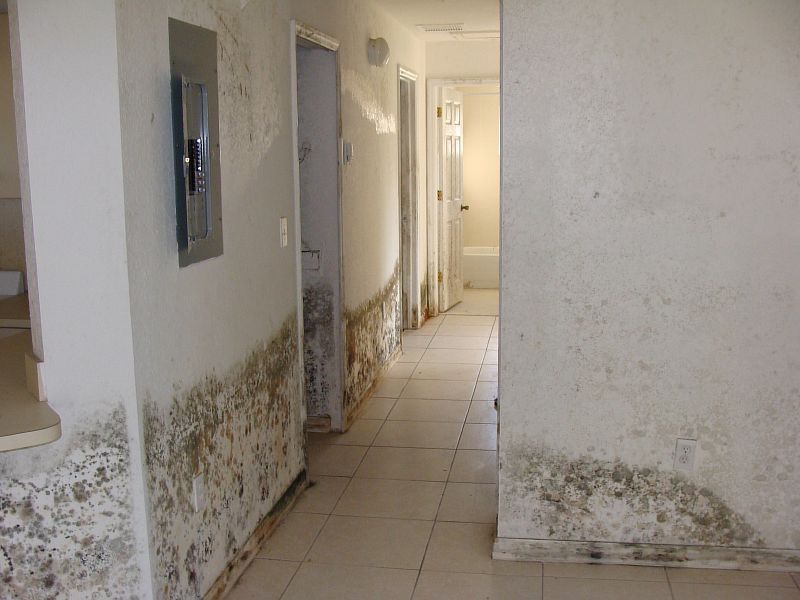
Mold growing in a home found my myself during a Miami mold inspection.
Current Indoor Mold Growth In Your Home As The Source
Though home mold exposure is often over attributed to the source of mycotoxins, I wouldn’t fully dismiss indoor home mold exposure in all cases. Sometimes:
- HVAC systems
- Intermittent moisture issues
- Workplace exposure
- or Humidity problems
…can still be factors even when a home mold test is very clean. So you want more than an air test, you also want a detailed inspection.
Indoor mold can be a source—but usually only when:
- There is significant active growth
- Often with water damage
- And sometimes poor ventilation
_____________________________________________________________________________________________________________________________

Cladosporium on a metal fence. It is feeding on sap pooped out by insects in a nearby tree.
Outdoor air exposure
Outdoor environments—especially in humid places like South Florida—are full of:
People inhale spores daily. While most exposures are low, chronic background exposure can contribute small amounts of mycotoxins.
_____________________________________________________________________________________________________________________________
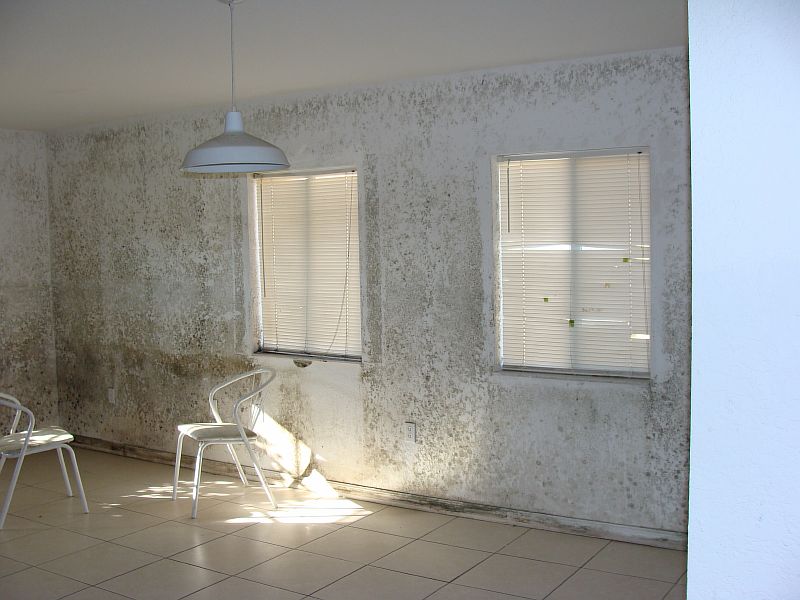
Heavy mold growth in a Kendall Fl area home that is South of Miami. This is a home I inspected.
Past exposure (stored in body tissues)
Some mycotoxins (like ochratoxin A) can:
- Bind to proteins
- Persist in the body for days to weeks (sometimes longer)
So someone could:
- Have lived/worked in a moldy building months ago
- Still test positive later
As a mold inspector, i see this often. No current home issue, but detectable toxins in my clients bodies.
_____________________________________________________________________________
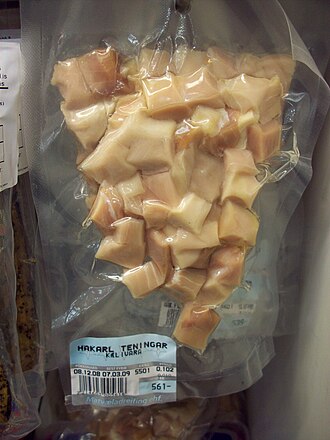
Rotten sleeper shark meat is popular in Iceland. Full of microbes but is harmless. Photo courtesy of Wikipedia.
What About Fermented Foods
- Fermented foods (like cheese, yogurt, kimchi) use controlled microbial strains
- These are generally not toxin-producing strains
- Food production is regulated to prevent mycotoxin contamination
So fermented foods are unlikely to be a major source of mycotoxins in most cases.
_________________________________________________________________________________________________
In Conclusion:
Why the disconnect that I see between mycotoxin tests and home mold conditions?
What we as mold inspectors see in the field likely comes down to:
- Background exposure is universal
- Tests are very sensitive
- There’s no clear baseline for “normal vs abnormal”
- Some practitioners may over-interpret results
So you end up with:
People testing “very positive” → assuming a hidden home mold problem → but inspections show nothing.
If someone has mycotoxins detected but no mold problem in their home, the most likely explanations—in order—are:
- Dietary exposure (most common)
- Normal environmental (outdoor) exposure
- Past exposure from another building
- Less likely: current hidden indoor mold
__________________________________________________________________________________________________________________________________________________________________________________________________________________________________________________________
Practical Takeaway
My field observation as a mold inspector actually aligned with the broader scientific skepticism over such findings:
Mycotoxin blood/urine tests are not guarentted reliable indicators of a mold problem in a specific building.
They’re better understood as:
“Evidence of exposure somewhere, at some point”—often from everyday sources.